
Norman Schlebusch, Product Manager, Product Marketing Field Connectivity, Phoenix Contact GmbH & Co. KG, Blomberg, Germany
Jonas Bruhn, Product Manager, Product Marketing Field Connectivity, Phoenix Contact GmbH & Co. KG, Blomberg, Germany
In a world that increasingly relies on renewable energies and digital technologies, the
demands on electrical connections are constantly increasing. Innovative solutions for highcurrent
applications are now in demand. Modular connectors are a powerful and flexible
alternative to traditional systems.
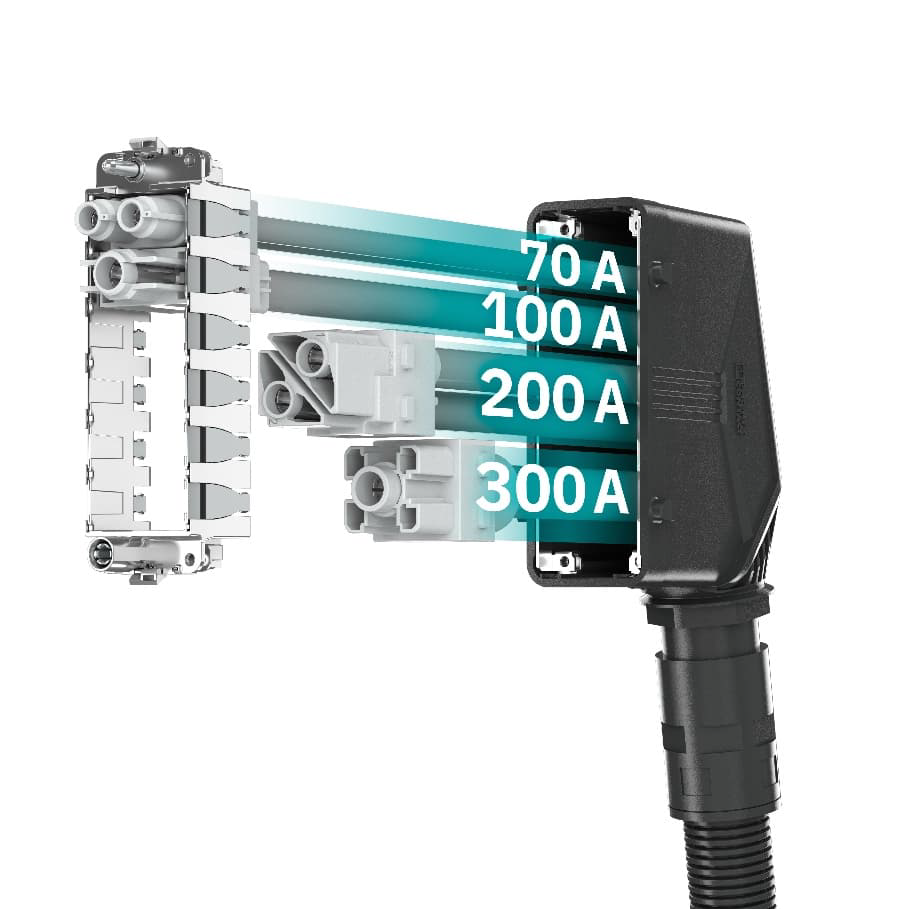
Figure 1- Future-proof with power modules specially designed for applications with high currents of up to 300 A.
The idea of the All Electric Society describes a future in which energy comes almost exclusively from renewable, carbon-neutral sources. As part of this transformation, the demand for electrical energy is continuously increasing in both in alternating current (AC) and direct current (DC) systems. Not only does this require a massive increase in electrical power generation, but also in its efficient distribution and storage. New solutions for high-current applications are forming the 2 basis for high-performance infrastructures in sectors such as the industry, mobility, and power supply.
The expansion of renewable energies is creating new challenges: Photovoltaic systems and wind farms feed high currents into the grid. Battery storage systems must be available to buffer this energy and feed it into the grid when required. At the same time, power-to-X applications are becoming increasingly important. Digitalization is also contributing to a rising electricity demand, as large amounts of energy are required for AI applications and cloud services. In this context, the connector is becoming increasingly important as the central interface for the transmission of power and data.
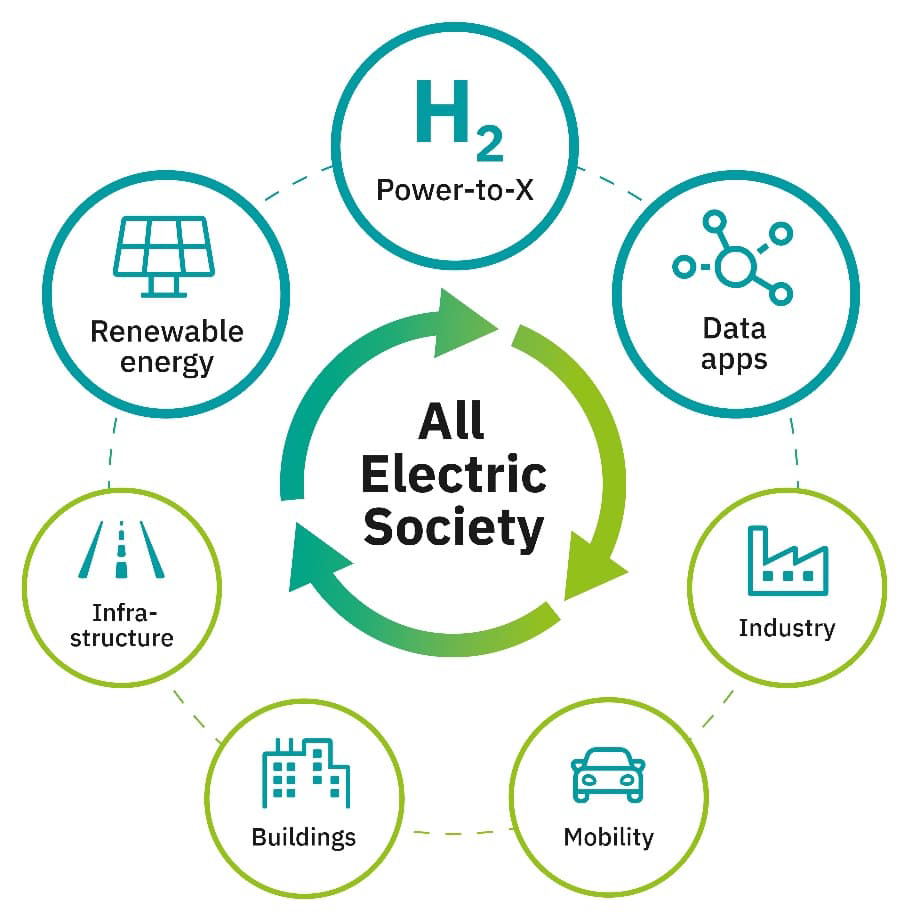
Figure 2 – The transformation to an All Electric Society is placing new demands on connection technology for highcurrent applications – particularly in renewable energies, power-to-X, and digital infrastructure.
The demands on connectors in high-current applications are constantly increasing. They must transmit high currents safely and reliably while meeting the requirements on miniaturization, thermal management, electromechanical compatibility, and data integrity.
Areas of application for high-current connectors
The latest generation of high-current applications places a wide range of demands on power distribution and transmission. These demands are also mapped onto the connectors and vary depending on the area of application.
Renewable power generation and distribution:
Photovoltaic systems and wind turbine generators feed high electrical currents into the grid – for example, a 10 kW photovoltaic system generates currents of up to 42 A. To be able to handle this, connectors must be designed for both DC and AC environments while also satisfying stringent environmental requirements. These include resistance to UV exposure as well as to moisture and dust (IP protection classes). Air clearances, creepage distances, and touch protection are essential.
Battery storage systems:
Stationary and mobile battery storage systems usually buffer energy from renewable sources and feed it into the grid when needed. To keep energy losses to a minimum, connectors in these systems must safely transmit high charging and discharging currents, be thermally stable, and have low contact resistance.
Power-to-X
Power-to-X is an umbrella term for technologies that convert electrical energy into other forms of energy such as hydrogen, methane, or heat. The processes involved in this are complex and safety-critical. Connectors in this application field not only have to withstand high continuous current loads but also have to be mechanically robust, vibration-resistant, corrosion-resistant, and temperature-resistant. A reliable locking system and touch protection are also important.
Data centers
The fields of cloud computing and AI are booming. Data centers are one of the fastest growing sectors and consume very large amounts of electrical energy. Data centers alone already consume about as much electricity as the whole of Germany. This amount is expected to double in the next five years. In data centers, there are various application area in which connectors are required due to modular designs and shorter construction times. Here, heating, ventilation, air conditioning, and cooling applications, as well as emergency power supplies and energy provision, are particularly energy-intensive. A central component in a data center is the PDU (Power Distribution Unit). The PDU records and optimizes the power consumption. The system then distributes the power to other devices such as servers, routers, and switches. Given the massive amount of electricity required, the current carrying capacity per conductor must be maximized. Connectors are therefore needed that not only guarantee the required current per contact but can also withstand the mechanical load caused by the thick cables. Phoenix Contact has responded to these requirements by launching a range of high-performance connectors that simplify the installation and maintenance of power distribution systems. The widespread CEE connection system, in particular, is reaching its technological limits due to its unwieldy 4 dimensions. The comparison shown below clearly emphasizes the advantages of heavy-duty connectors over CEE.
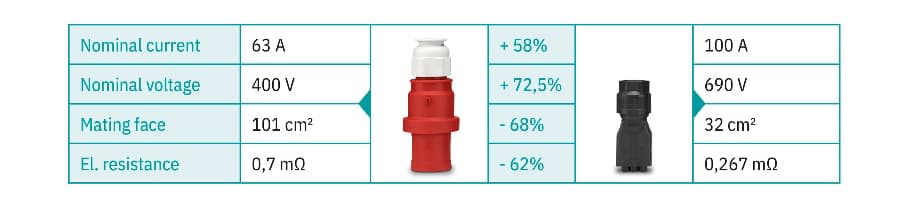
Figure 3 – The latest generation high-performance connector for power distribution – more compact and more powerful than classic CEE plugs
The high-performance connector from Phoenix Contact requires just a third of the space but has a 58% higher current carrying capacity. Another decisive advantage is the loss resistance, which is up to 62% lower than that of the CEE plug. This reduces electricity costs twice over. Firstly, power losses are reduced. Secondly, less cooling capacity is required.
Limits of traditional connectors
The requirements on the connectors vary depending on the area of application. However, these applications have common features that are no longer fulfilled by traditional connectors such as the CEE connector. With its bulky design and limited flexibility, it is no longer suitable for many applications. Particularly with regard to the growth of the power levels of high-energy and highcurrent applications, it is clear that new concepts are required for the applications of the future.
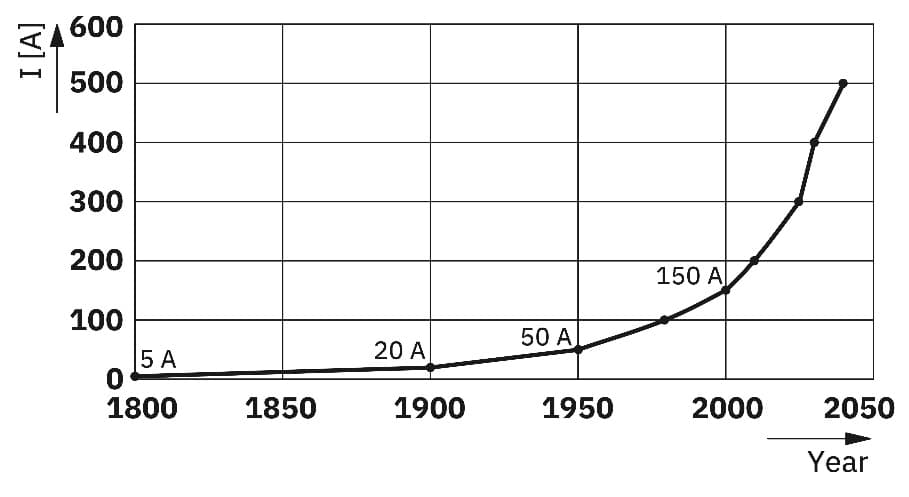
The increase in current peaks in high-energy applications shows that connectors are facing a steep development curve. A future-proof connector for high-current applications must be prepared for this rapid, steep growth in power. With the Heavycon Modular system, Phoenix Contact is providing a powerful alternative to traditional connectors. The modular system enables the individual combination of power, data, and signal modules to create a connector tailored to the application.
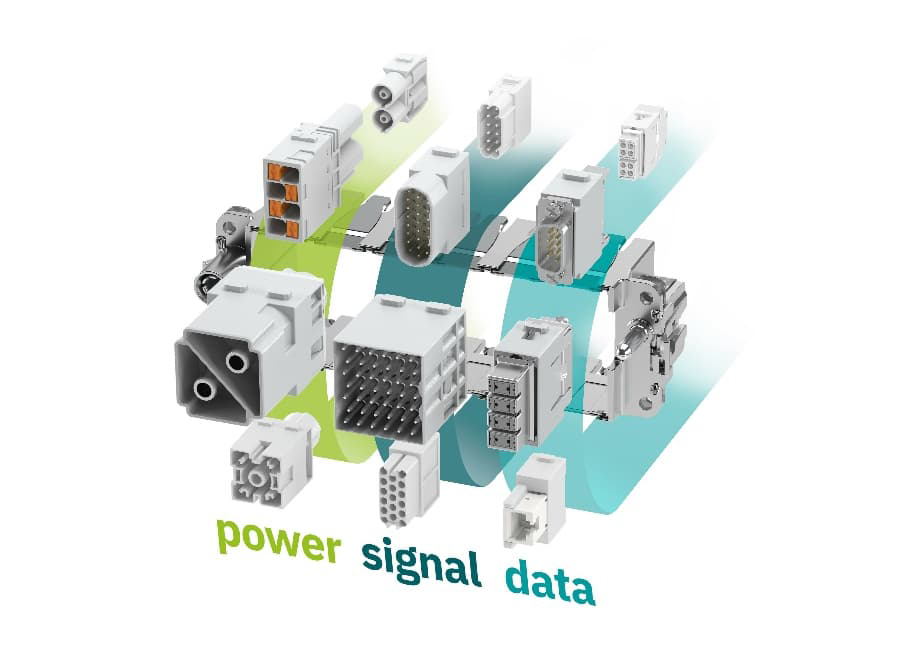
Data modules
Modules such as Mbit, Gigabit, USB, and RJ45 enable the reliable transmission of data in industrial applications such as:
- Image processing and robotics
- Machine control
- Cloud-based services
- Communication between servers, workstations, and storage solutions
Signal modules
Robust signal modules are available for communication with field devices such as sensors and actuators, and they work reliably even under harsh ambient conditions.
Power modules up to 300 A
The most significant innovation is in power modules. While the classic CEE plug transmits up to 125 A, the new power modules from Phoenix Contact enable current carrying capacities of up to 300 A – in a compact design.
The current carrying capacity for single modules with Push-in connection is 76 A. For single modules with a crimp connection, this is 100 A. Double modules with crimp connection achieve up to 300 A. A major advantage is the tool-free mounting and removal of the modules and cables. The modules can be mounted in the module carrier frame without tools, and the familiar spring mounting system ensures a stable, vibration-resistant fixing. The cables can be installed conveniently in the modules without tools via the familiar Push-in Technology.
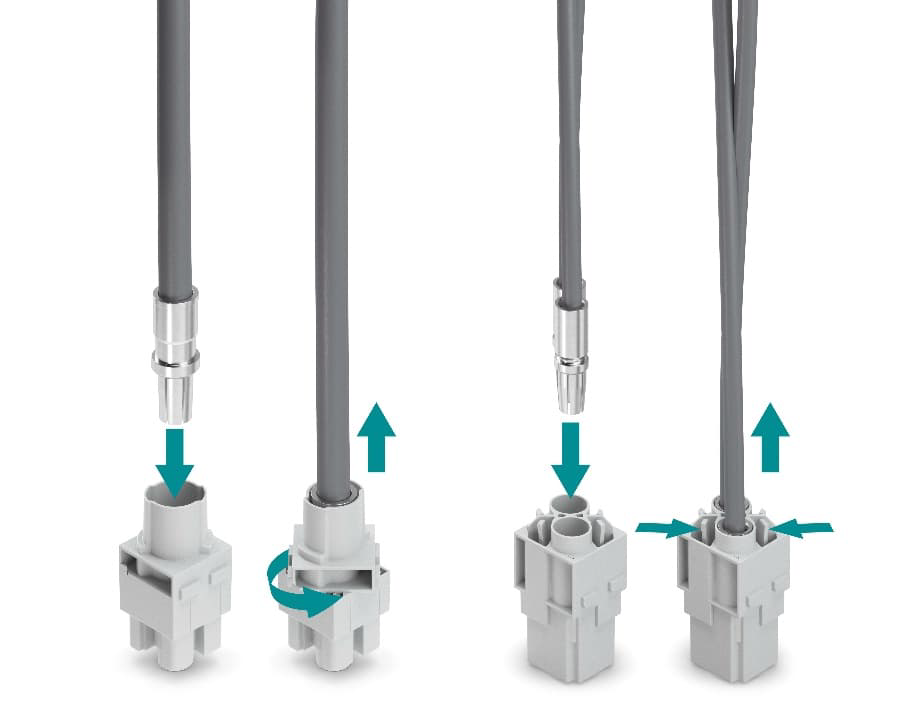
Figure 6 – The conductors can be installed and removed without tools. To release the contacts, either turn the upper part of the module through 45° or press the locking clips together.
The innovative latching function of the crimp modules enables simple mounting by inserting cables into the module. The snap-in latches hold the crimp contact in position. It is easy to remove the cables by actuating the release levers or by turning the upper part of the module through 45°. A decisive advantage of the Heavycon Modular system is its extendibility. New modules can be integrated into the portfolio at any time. The frame and housing can continue to be used. This makes the planning and scaling of electrical infrastructure much easier.
Summary
The All Electric Society is placing new demands on electrical infrastructure – in particular on connectors for high-current applications. In areas such as renewable energies, battery storage systems, data centers, and power-to-X applications, modular connectors are already a powerful alternative to established solutions such as the CEE plug.
Their adaptability, high current carrying capacity, and modular design make them an indispensable component in future energy systems. For planners and developers, they offer security and flexibility: Existing systems can be extended at any time with new modules and adapted to new requirements. A decisive advantage in a world where the demand for energy is continuing to rise.